🥜 Growing Peanuts in Wisconsin Was Hard Enough… Then the Squirrels Found Them
🗒️Rooted Field Note: 44
There’s something about growing peanuts in Wisconsin that feels slightly unhinged…
…and that’s probably why I wanted to try it so badly. 😂
Most people around here are planting tomatoes, peppers, beans, and corn.
Meanwhile I’m outside soaking peanuts in buckets and building squirrel defense systems like a backyard engineer preparing for battle.
And somehow… that’s become one of my favorite parts of gardening.
🐿️ The Squirrels Absolutely Wrecked My First Planting
I expected squirrels to mess with the peanuts a little.
I did not expect a full-scale coordinated attack.
The first planting barely stood a chance.
They dug through the soil, ripped everything apart, and treated my raised bed like an all-you-can-eat buffet.
So this became Round Two.
And instead of quitting, I changed the strategy.
🌱 What I’m Doing Different This Time
This round, I soaked the peanuts for about 24 hours before planting, and started them in seedling trays.
The goal was to help them wake up faster and push through the soil before the squirrels had time to destroy everything again.
After planting, I covered the trays with a homemade screen sifter setup to block digging until the seedlings emerged.
And surprisingly…
…it actually worked. 😂
Instead of waking up to destroyed trays every morning, I started seeing tiny green shoots pushing through the soil.
That felt like a major win.
📸 My Peanut Setup Right Now
🥜 The seedling trays that I started them in with the protection
(Hoping this finally keeps the tiny backyard bandits out 😂)
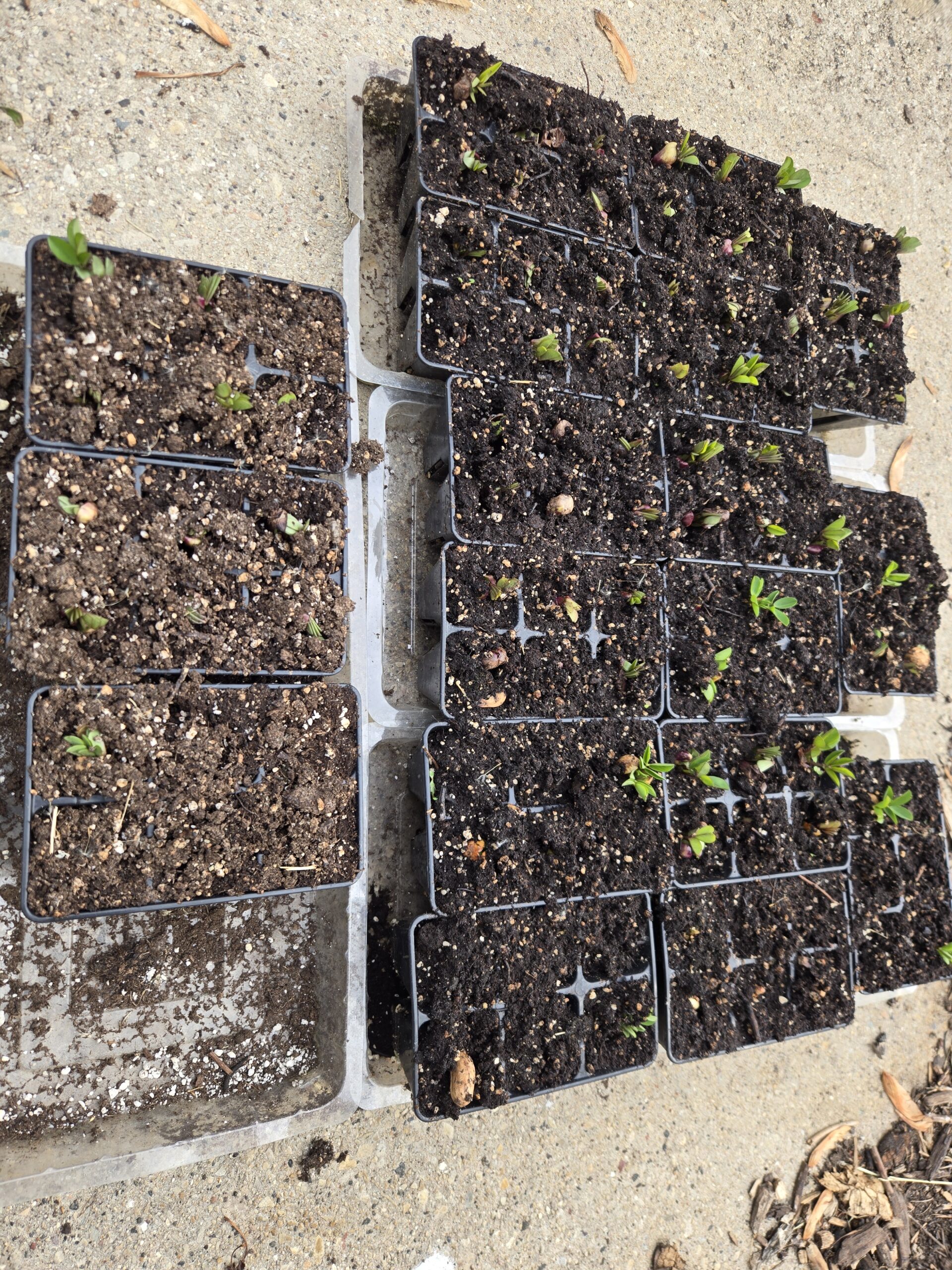
Round Two of the Wisconsin peanut experiment is officially alive. 😂🥜
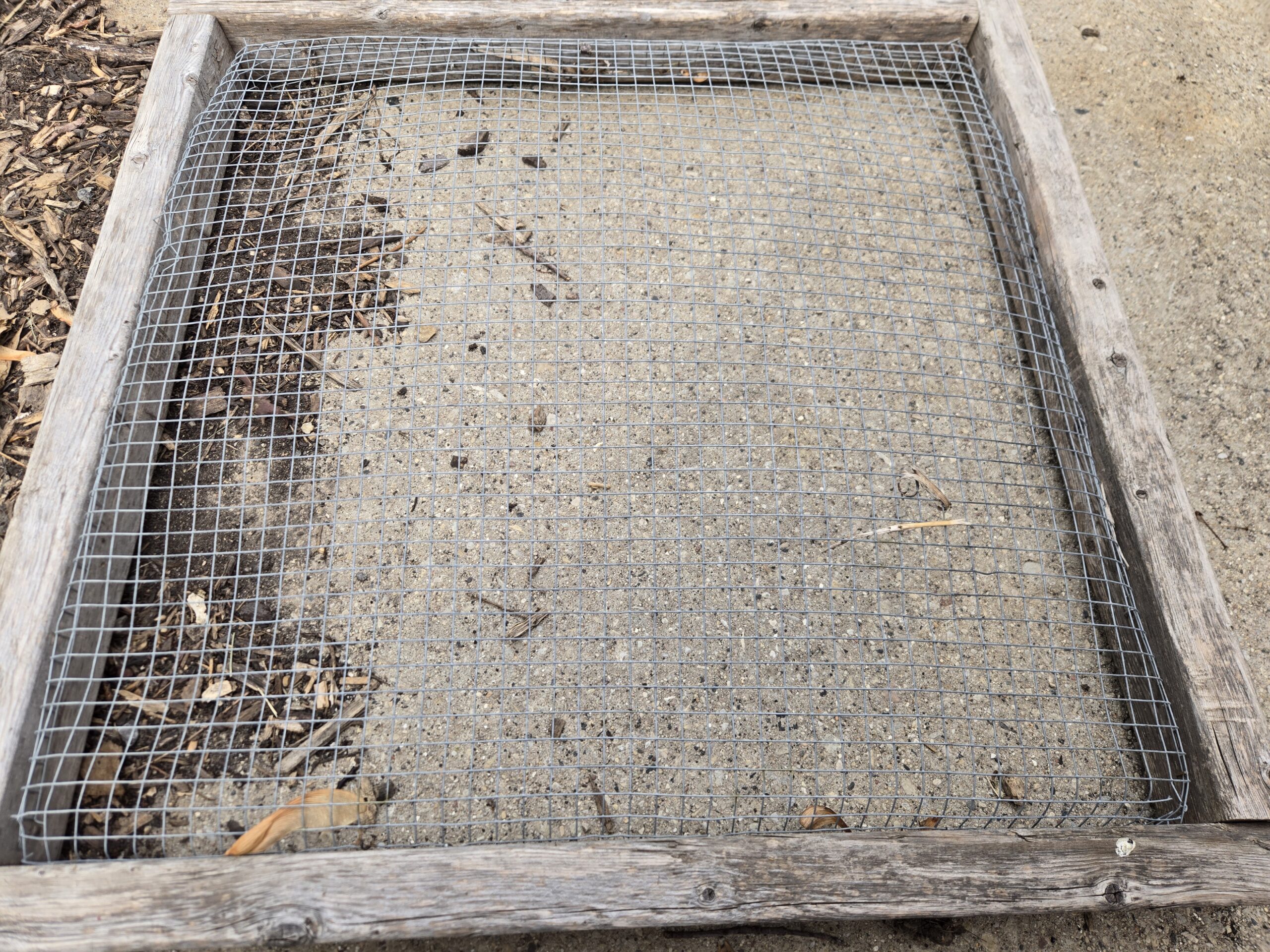
This was the moment the peanut experiment turned into a full-scale war against squirrels. 😂🐿️
🌱 First peanut sprouts finally pushing through the soil after soaking overnight
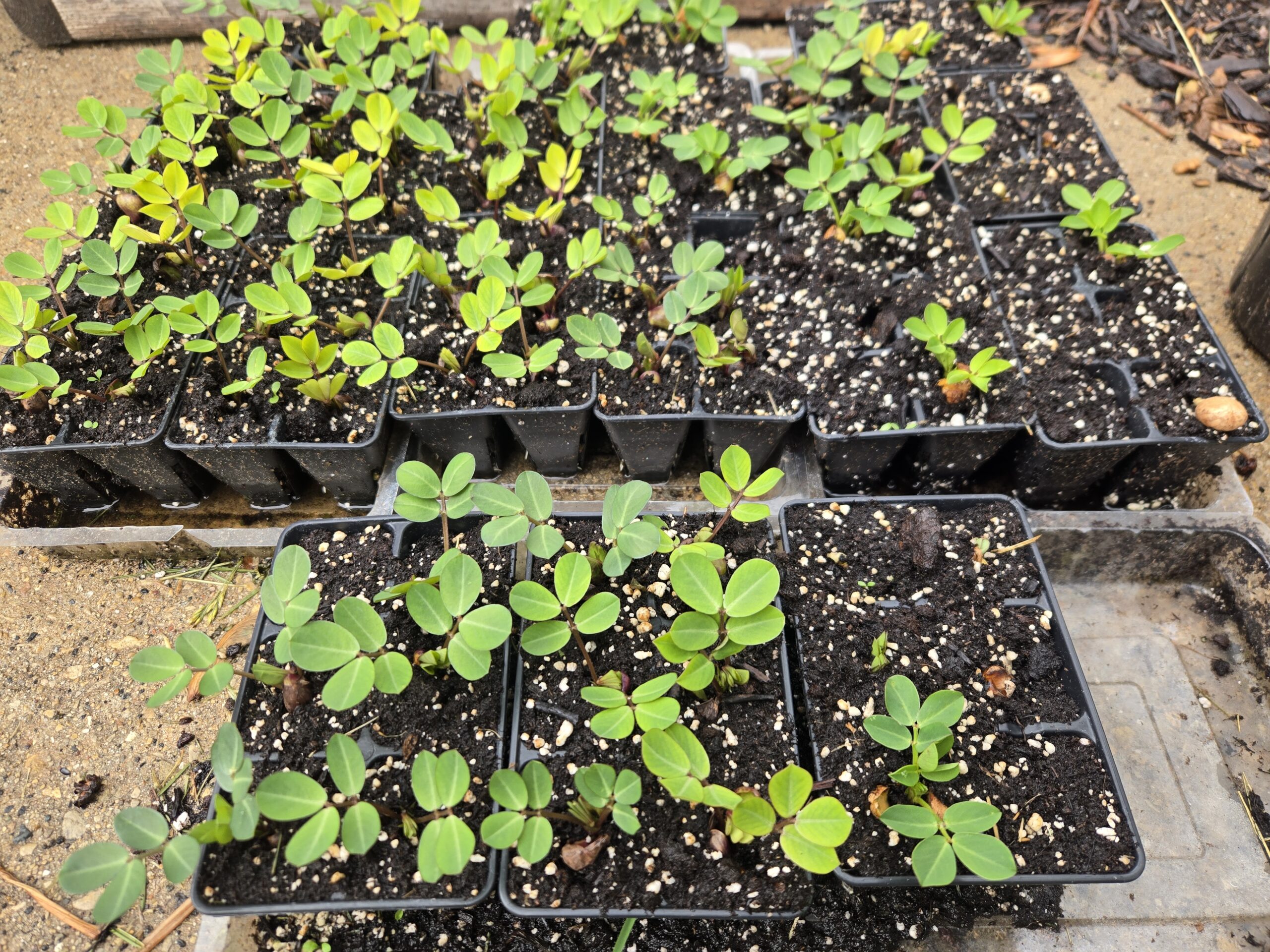
The peanuts are finally starting to look like actual plants instead of squirrel snacks. 😂🥜
📊 Trying to figure out whether Wisconsin gives me enough warm days before first frost hits
👉 I’ve been using the frost date calculator here: [https://sproutinghomestead.com/plant-timeline-calculator/ ]
🧠 Why I’m Still Trying Even If Frost Might Beat Me
Peanuts usually need around 120 frost-free days.
And Wisconsin Zone 5 isn’t exactly peanut country.
So there’s a very real chance I run out of season before harvest.
But I planted them anyway.
Because gardening isn’t always about guaranteed success.
Sometimes it’s curiosity.
Sometimes it’s learning.
Sometimes it’s just seeing if something can be done.
And if I manage to harvest even a small bowl of peanuts after fighting squirrels, weather, and Wisconsin timing…
…I already know they’ll taste better because of it. 😂🥜
🥜 The Soil Mix I’m Using
Peanuts need loose, soft soil so they can develop underground properly.
Heavy compacted soil makes life much harder for them.
My mix leans toward:
✅ Compost
✅ Peat moss or coco coir
✅ Sand or drainage material
✅ Bark fines for airflow
The goal is fluffy soil with good drainage while still holding enough moisture to support growth.
🧪 The Calculators That Help Me Build Soil Mixes
Once I started experimenting with crops like peanuts, ginger, turmeric, sweet potatoes, and medicinal plants…
…I realized soil math gets annoying fast. 😂
That’s why I built the calculators on Sprouting Homestead.
Instead of guessing ratios while standing in Menards holding bags of peat moss, you can calculate everything in minutes.
🌱 Helpful Garden Calculators
👉 Seed Starting Soil Mix Calculator
👉 Living Soil Calculator
👉 Frost Date & Planting Timeline Calculator
If you’re building raised beds, mixing container soil, or experimenting with unusual crops, these tools make the process way easier.
🛒 Garden Gear I’m Using For This Peanut Experiment
These are some of the tools and supplies helping me keep this project alive:
🌱 Seed Starting Trays(Paid Link)
🌱 Hardware Cloth / Wire Mesh (Paid Link)
🌱 Organic Fertilizer Blend (Paid Link)
🌱 Soil & Compost Ingredients (Paid Link)
A lot of these are simple upgrades, but they save time, protect crops, and make weird gardening experiments much easier to manage.
🧠 One Thing Gardening Keeps Teaching Me
The “perfect” garden almost never exists.
The squirrels eat things.
The weather shifts.
Plants fail.
You plant too early.
You plant too late.
And somehow…
…you still come back next season and try again.
That might be my favorite thing about gardening.
It’s not just about growing food.
It’s about becoming someone who keeps planting anyway.
🌻 If You’re Trying Something Weird This Year…
I hope you go for it.
Maybe it’s peanuts.
Maybe it’s ginger.
Maybe it’s some medicinal herb nobody else around you is growing.
Some of the best stories in the garden start as experiments that probably shouldn’t work.
And sometimes those become the projects you remember forever.
🌱 Join The Rooted Crew
If you’re experimenting with unusual crops, building custom soil mixes, testing garden systems, or learning as you go…
…come join us inside The Rooted Crew.
We’re building a community of growers who like experimenting, learning, and figuring things out together season by season.
👉 Join The Rooted Crew on Skool
Inside the community you’ll find:
✅ Gardening experiments
✅ Soil building discussions
✅ Calculator tools
✅ Seasonal planting help
✅ Raised bed projects
✅ Homestead discussions
✅ Behind-the-scenes field notes
And if these peanuts survive long enough to actually produce a harvest…
You already know there’s going to be another Rooted Field Note about it. 😂🥜
Related Rooted Field Note:
🥜 Can You Grow Peanuts in Wisconsin? (Zone 5 Peanut Growing Guide)