Monthly Archives: June 2026
How Long Do Peanuts Take to Grow? Frost Dates Explained
🥜 How Long Do Peanuts Take to Grow? Frost Dates Explained
🗒️Rooted Field Note: 46
The short answer?
Usually around 100–130 frost-free days.
The stressful answer?
That timeline suddenly feels VERY short when you live somewhere like Wisconsin. 😂
The deeper I got into this peanut experiment, the more I realized that growing peanuts in northern climates isn’t really about planting…
…it’s about racing the clock before frost shows up.
And once I started tracking frost dates more closely, I realized timing matters way more than most gardening guides make it sound.
🥜 How Long Do Peanuts Actually Take to Grow?
Most peanut varieties need somewhere between:
✅ 100–130 warm frost-free days
The exact timing depends on:
* peanut variety
* soil temperature
* weather
* sunlight
* planting date
* your growing zone
Some early varieties mature faster.
Others take significantly longer and are much better suited for southern climates.
If you’re gardening in Zone 5 or colder northern regions, shorter-season varieties give you your best chance.
🌡️ Why Frost Dates Matter So Much
Peanuts LOVE warmth.
Cold weather slows them down quickly.
And frost can end the experiment entirely before the peanuts fully mature underground.
That’s why understanding your local frost dates becomes incredibly important.
You’re basically trying to answer one question:
> “Do I realistically have enough warm days left for this crop to finish?”
That’s the exact reason I started using planting calculators instead of guessing. 😂
🌱 Helpful Garden Calculators
👉 Frost Date & Planting Timeline Calculator
👉 Seedling Soil Mix Calculator
If you’re experimenting with unusual crops in colder climates, these tools make planning WAY easier.
🥜 My Peanut Experiment in Wisconsin
I planted peanuts fully aware this might fail before harvest. 😂
Wisconsin Zone 5 sits right on the edge of what peanuts usually want.
So I knew timing was going to matter from the beginning.
Then the squirrels showed up and destroyed the first planting attempt…
…which definitely didn’t help the timeline situation. 😂
👉 You can read the full story here:
Rooted Field Note #44: Growing Peanuts in Wisconsin Was Hard Enough… Then the Squirrels Found Them
Round Two involved:
✅ Soaking peanuts before planting
✅ Protecting the trays with hardware cloth
✅ Using a loose soil mix
✅ Monitoring frost timing more closely
So far?
The peanuts are actually sprouting.
Which already feels like a small miracle in Wisconsin. 😂
🌱 Soil Temperature Matters Too
A lot of people focus only on frost dates.
But soil temperature matters just as much.
Peanuts generally prefer warm soil around:
✅ 65–70°F or higher
Cold soil slows germination and early growth significantly.
That’s one reason raised beds can help in colder climates:
They usually warm up faster in spring.
🛒 Supplies Helping This Experiment Survive
These are some of the tools and supplies helping me push this experiment as far as possible before frost arrives:
🌱 Seed Starting Trays(Paid Link)
🌱 Hardware Cloth / Wire Mesh (Paid Link)
🌱 Organic Fertilizer Blend (Paid Link)
🌱 Soil & Compost Ingredients (Paid Link)
🌱 Garden Thermometer (Paid Link)
None of these magically guarantee success…
…but they definitely make northern gardening experiments easier to manage.
🥜 What Happens If Frost Comes Too Early?
That’s the gamble. 😂
If frost arrives before the peanuts mature:
❌ Smaller harvests
❌ Underdeveloped peanuts
❌ Plants shutting down early
That’s why early planting timing matters so much in northern climates.
You’re trying to maximize every warm day available.
🌻 Best Peanut Varieties for Short Growing Seasons
If you’re growing peanuts in Wisconsin or similar climates, look for:
✅ Early Spanish peanuts
✅ Valencia peanuts
✅ Short-season varieties
Long-season southern peanuts may struggle to finish before frost arrives.
🧠 Is It Still Worth Trying?
Absolutely.
Even if the harvest ends up small.
Some of the most memorable things in the garden start as experiments that probably shouldn’t work.
And honestly…
If I manage to harvest peanuts in Wisconsin after fighting frost timelines AND squirrels?
Those peanuts are going to taste legendary. 😂🥜
🌱 Related Rooted Field Notes
👉 Rooted Field Note #44: Growing Peanuts in Wisconsin Was Hard Enough… Then the Squirrels Found Them
👉 Best Soil Mix for Growing Peanuts in Raised Beds or Containers
[ADD INTERNAL LINK]
👉 Growing Peanuts in Containers: What Actually Worked for Me
[ADD INTERNAL LINK]
👉 Why Squirrels Keep Digging Up Your Garden (And What Finally Helped Mine)
[ADD INTERNAL LINK]
🌱 Join The Rooted Crew
If you’re experimenting with unusual crops, trying to extend growing seasons, building custom soil mixes, or learning as you go…
…come join us inside The Rooted Crew.
We’re building a community around gardening experiments, calculators, homesteading projects, and figuring things out season by season.
👉 Join The Rooted Crew on Skool
Inside you’ll find:
✅ Gardening experiments
✅ Seasonal planting discussions
✅ Soil-building help
✅ Garden calculators
✅ Raised bed projects
✅ Homestead discussions
✅ Behind-the-scenes Rooted Field Notes
And if these peanuts somehow beat the Wisconsin frost clock…
…you already know there’s going to be another update. 😂🥜
Can You Grow Peanuts in Wisconsin? (Zone 5 Peanut Growing Guide)
🥜 Can You Grow Peanuts in Wisconsin? (Zone 5 Peanut Growing Guide)
🗒️Rooted Field Note: 45
At first glance…
Growing peanuts in Wisconsin sounds slightly ridiculous. 😂
Peanuts are usually associated with hot southern climates, long growing seasons, and warm sandy soil.
Meanwhile here in Wisconsin?
We’re over here trying to outrun frost dates while squirrels actively sabotage the garden.
So naturally…
…I decided to try growing peanuts anyway.
And after a lot of research, experimenting, and rebuilding beds after squirrel attacks, I’ve learned something important:
Yes — you actually can grow peanuts in Wisconsin.
But there are a few things that matter A LOT if you want a realistic chance at harvesting anything before frost hits.
🌱 Can Peanuts Really Grow in Zone 5?
Technically?
Yes.
Comfortably?
That’s another story. 😂
Most peanut varieties need around 100–130 frost-free days depending on the type.
Wisconsin Zone 5 usually sits right on the edge of that growing window.
That means timing becomes incredibly important.
You’ll want to:
✅ Start as early as possible
✅ Use the warmest part of your yard
✅ Grow in loose soil
✅ Protect young plants from squirrels
✅ Monitor your frost dates carefully
If your season starts late or frost arrives early, you may not get mature peanuts before cold weather shuts everything down.
But if conditions cooperate?
You absolutely have a chance.
🥜 My Wisconsin Peanut Experiment
This year I decided to test it myself.
And the squirrels immediately declared war. 😂
The first planting got completely destroyed.
So for Round Two, I changed a few things:
✅ Soaked peanuts before planting
✅ Added squirrel protection screens
✅ Used a looser soil blend
✅ Started monitoring frost timing more closely
So far…
…the peanuts are actually sprouting.
Which already feels like progress in Wisconsin. 😂
👉 You can read the full story here: [🥜 Growing Peanuts in Wisconsin Was Hard Enough… Then the Squirrels Found Them]
🌡️ Frost Dates Matter More Than Almost Anything
If you’re growing peanuts in northern climates, frost timing can make or break the experiment.
That’s why I started using planting calculators instead of trying to guess dates in my head while standing in the garden wondering if I’m already too late. 😂
🌱 Helpful Garden Calculators
👉 Frost Date & Planting Timeline Calculator
👉 Seedling Soil Mix Calculator
👉 Living Soil Calculator
These tools make planning WAY easier if you’re experimenting with unusual crops in colder climates.
🥜 Best Soil for Growing Peanuts
Peanuts grow underground, so soil texture matters more than many people realize.
Heavy compacted soil makes development harder.
Loose, fluffy soil gives the pegs room to grow and form peanuts properly underground.
My mix leans toward:
✅ Compost
✅ Peat moss or coco coir
✅ Sand or drainage material
✅ Bark fines for airflow
You want soil that drains well while still holding enough moisture to support steady growth.
🛒 Helpful Supplies for Growing Peanuts in Wisconsin
These are some of the things helping this experiment survive so far:
🌱 Seed Starting Trays(Paid Link)
🌱 Hardware Cloth / Wire Mesh (Paid Link)
🌱 Organic Fertilizer Blend (Paid Link)
🌱 Soil & Compost Ingredients (Paid Link)
None of these magically guarantee success…
…but they definitely make weird gardening experiments easier. 😂
🐿️ The Squirrel Problem Nobody Warned Me About
Apparently squirrels LOVE freshly planted peanuts.
Which makes sense in hindsight.
The first planting lasted about five minutes before they dug everything up.
What finally helped was covering the trays with hardware cloth until the seedlings emerged.
👉 I’ll probably write a full squirrel-defense field note soon because this turned into an entire side quest. 😂
🌻 What Peanut Varieties Work Best in Northern Climates?
If you’re trying this in Wisconsin or other colder zones, early-maturing peanut varieties give you the best chance.
Look for:
✅ Short-season peanuts
✅ Early Spanish varieties
✅ Fast-maturing Valencia peanuts
Long-season southern varieties may struggle to finish before frost arrives.
🧠 Is Growing Peanuts in Wisconsin Worth It?
From a practical standpoint?
Maybe not. 😂
From an enjoyment standpoint?
Absolutely.
There’s something incredibly satisfying about trying crops people assume won’t grow where you live.
Even if the harvest ends up small…
…the experiment itself becomes part of the fun.
And if these peanuts actually survive long enough to produce?
They’ll probably taste ten times better because of how hard the squirrels tried to stop them.
🌱 Join The Rooted Crew
If you’re experimenting with unusual crops, testing weird garden ideas, building better soil, or trying to figure things out season by season…
…come join us inside The Rooted Crew.
We’re building a community around gardening experiments, homesteading projects, calculators, soil building, and learning as we go.
👉 Join The Rooted Crew on Skool
Inside you’ll find:
✅ Gardening experiments
✅ Seasonal planting discussions
✅ Soil mix help
✅ Calculator tools
✅ Raised bed projects
✅ Homestead discussions
✅ Behind-the-scenes Rooted Field Notes
And if these Wisconsin peanuts actually make it to harvest…
You already know there’s going to be another update. 😂🥜
Related Rooted Field Note:
Growing Peanuts in Wisconsin Was Hard Enough… Then the Squirrels Found Them
🥜 Growing Peanuts in Wisconsin Was Hard Enough… Then the Squirrels Found Them
🗒️Rooted Field Note: 44
There’s something about growing peanuts in Wisconsin that feels slightly unhinged…
…and that’s probably why I wanted to try it so badly. 😂
Most people around here are planting tomatoes, peppers, beans, and corn.
Meanwhile I’m outside soaking peanuts in buckets and building squirrel defense systems like a backyard engineer preparing for battle.
And somehow… that’s become one of my favorite parts of gardening.
🐿️ The Squirrels Absolutely Wrecked My First Planting
I expected squirrels to mess with the peanuts a little.
I did not expect a full-scale coordinated attack.
The first planting barely stood a chance.
They dug through the soil, ripped everything apart, and treated my raised bed like an all-you-can-eat buffet.
So this became Round Two.
And instead of quitting, I changed the strategy.
🌱 What I’m Doing Different This Time
This round, I soaked the peanuts for about 24 hours before planting, and started them in seedling trays.
The goal was to help them wake up faster and push through the soil before the squirrels had time to destroy everything again.
After planting, I covered the trays with a homemade screen sifter setup to block digging until the seedlings emerged.
And surprisingly…
…it actually worked. 😂
Instead of waking up to destroyed trays every morning, I started seeing tiny green shoots pushing through the soil.
That felt like a major win.
📸 My Peanut Setup Right Now
🥜 The seedling trays that I started them in with the protection
(Hoping this finally keeps the tiny backyard bandits out 😂)
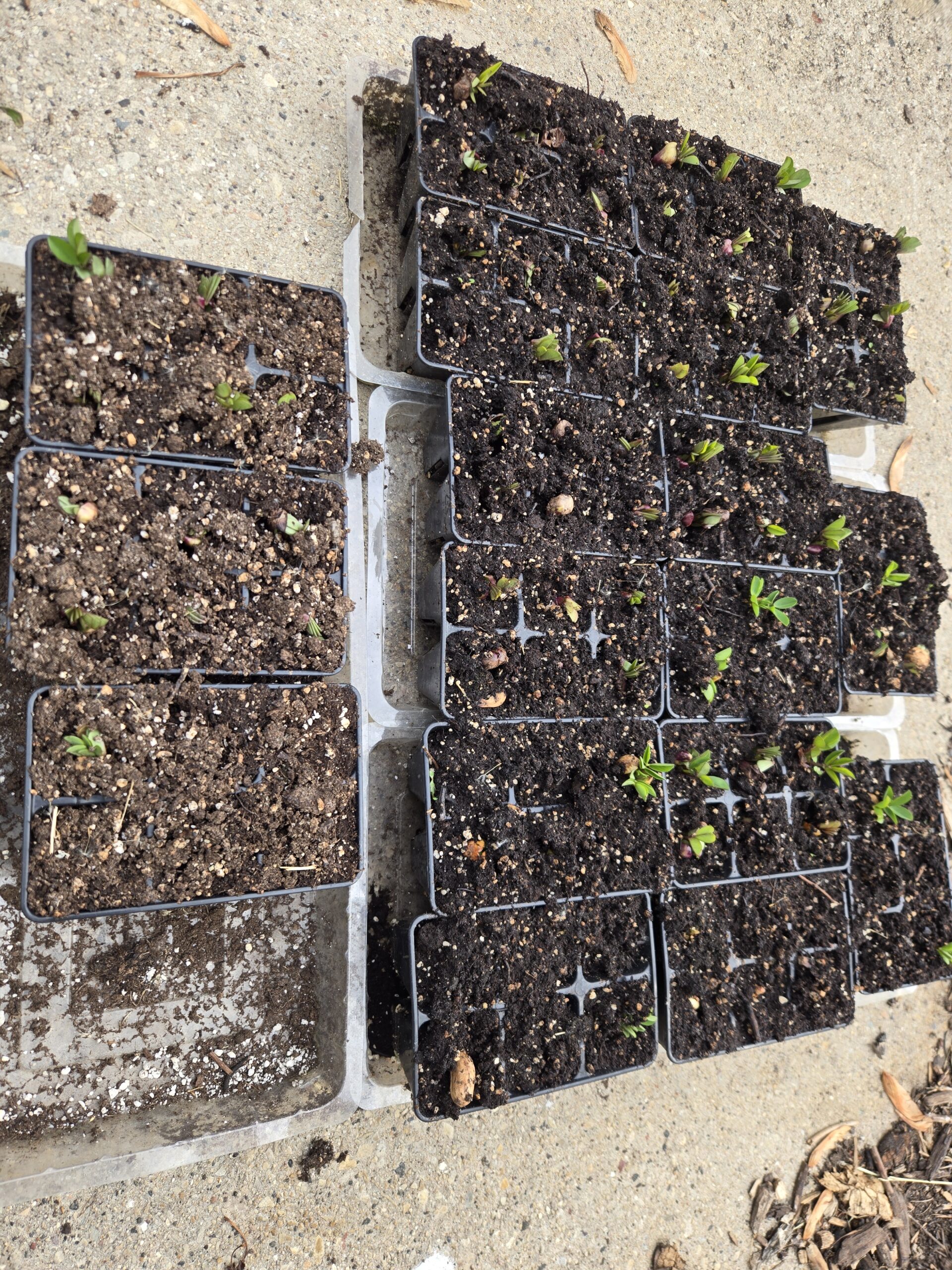
Round Two of the Wisconsin peanut experiment is officially alive. 😂🥜
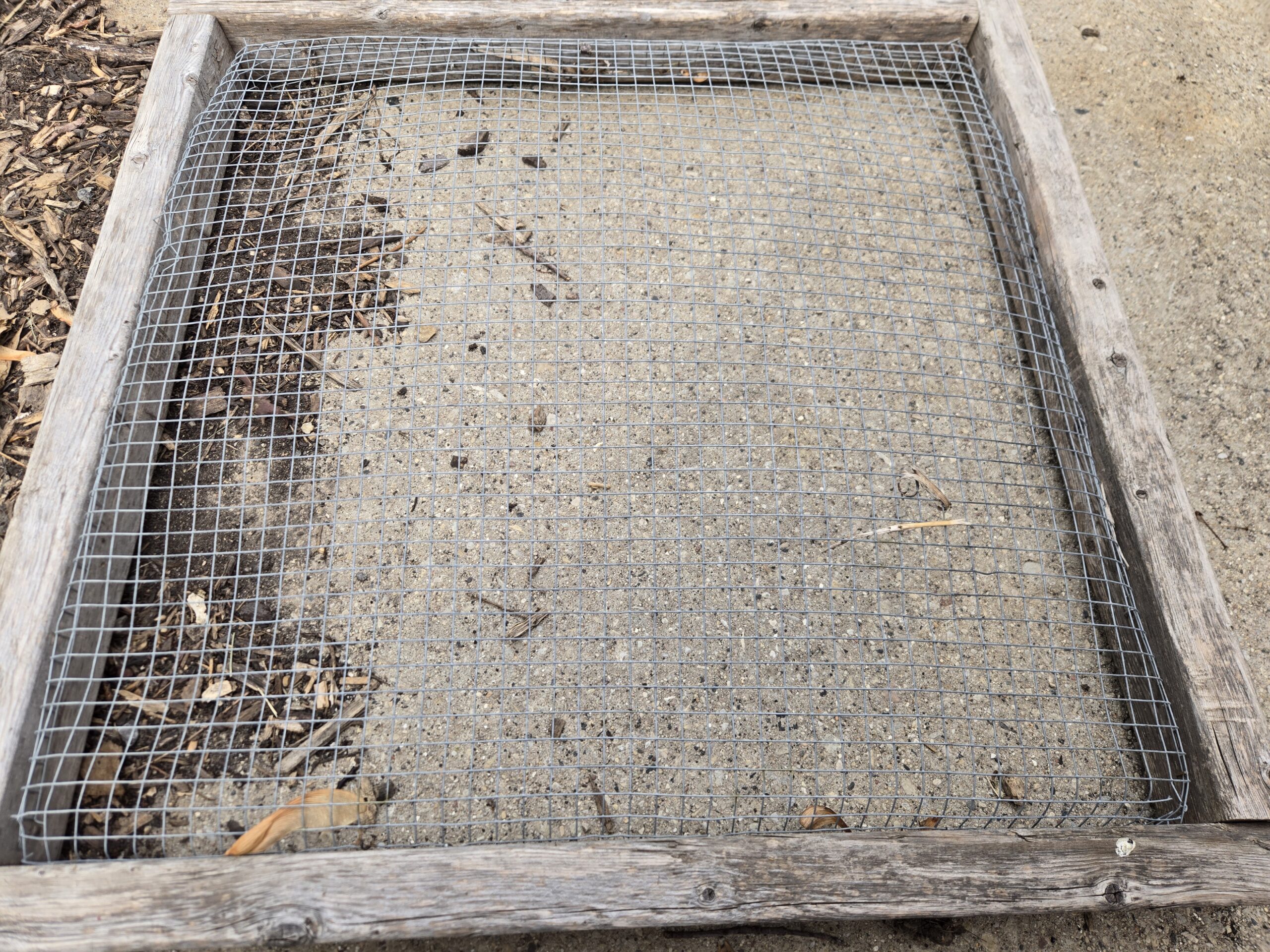
This was the moment the peanut experiment turned into a full-scale war against squirrels. 😂🐿️
🌱 First peanut sprouts finally pushing through the soil after soaking overnight
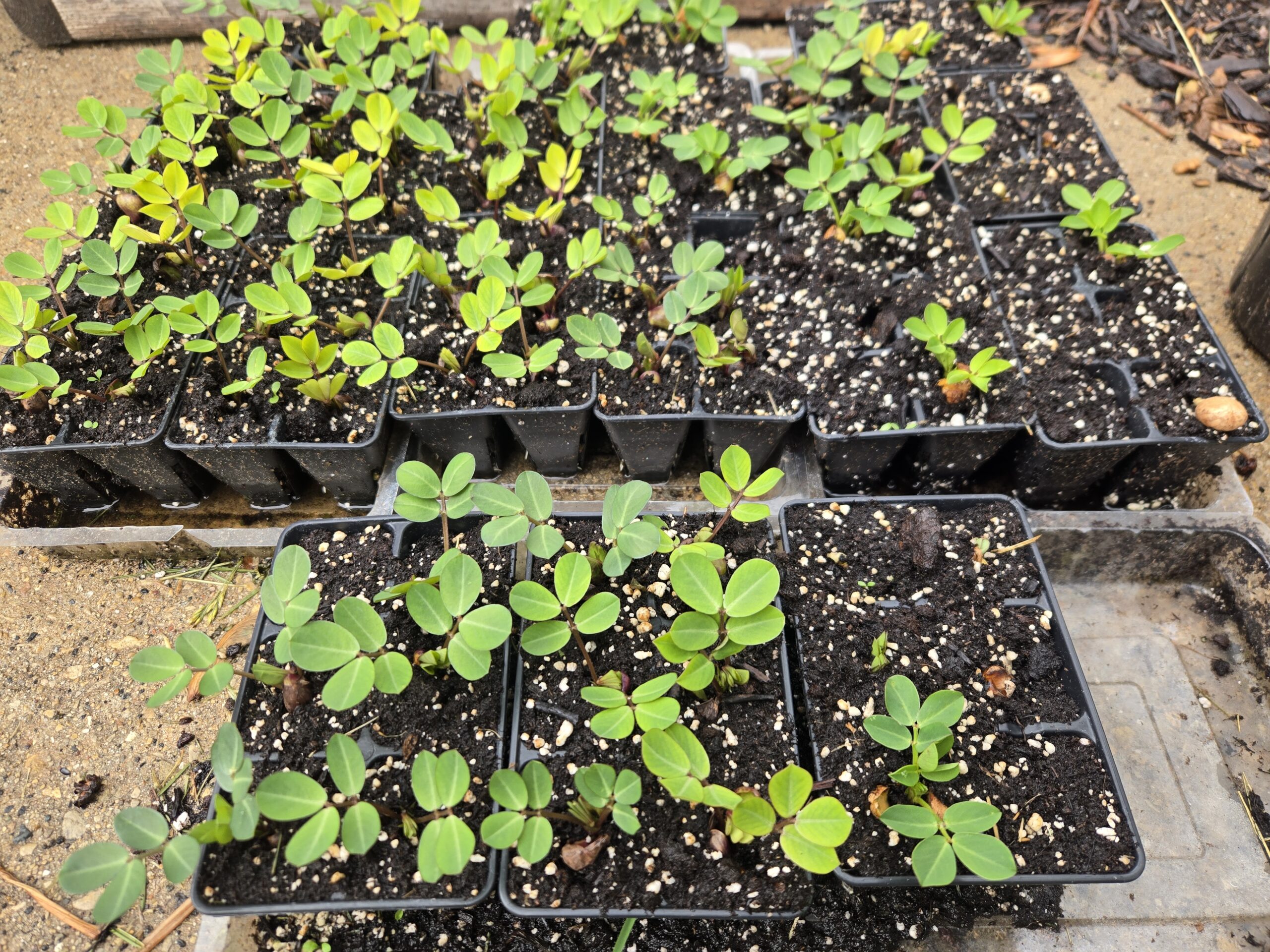
The peanuts are finally starting to look like actual plants instead of squirrel snacks. 😂🥜
📊 Trying to figure out whether Wisconsin gives me enough warm days before first frost hits
👉 I’ve been using the frost date calculator here: [https://sproutinghomestead.com/plant-timeline-calculator/ ]
🧠 Why I’m Still Trying Even If Frost Might Beat Me
Peanuts usually need around 120 frost-free days.
And Wisconsin Zone 5 isn’t exactly peanut country.
So there’s a very real chance I run out of season before harvest.
But I planted them anyway.
Because gardening isn’t always about guaranteed success.
Sometimes it’s curiosity.
Sometimes it’s learning.
Sometimes it’s just seeing if something can be done.
And if I manage to harvest even a small bowl of peanuts after fighting squirrels, weather, and Wisconsin timing…
…I already know they’ll taste better because of it. 😂🥜
🥜 The Soil Mix I’m Using
Peanuts need loose, soft soil so they can develop underground properly.
Heavy compacted soil makes life much harder for them.
My mix leans toward:
✅ Compost
✅ Peat moss or coco coir
✅ Sand or drainage material
✅ Bark fines for airflow
The goal is fluffy soil with good drainage while still holding enough moisture to support growth.
🧪 The Calculators That Help Me Build Soil Mixes
Once I started experimenting with crops like peanuts, ginger, turmeric, sweet potatoes, and medicinal plants…
…I realized soil math gets annoying fast. 😂
That’s why I built the calculators on Sprouting Homestead.
Instead of guessing ratios while standing in Menards holding bags of peat moss, you can calculate everything in minutes.
🌱 Helpful Garden Calculators
👉 Seed Starting Soil Mix Calculator
👉 Living Soil Calculator
👉 Frost Date & Planting Timeline Calculator
If you’re building raised beds, mixing container soil, or experimenting with unusual crops, these tools make the process way easier.
🛒 Garden Gear I’m Using For This Peanut Experiment
These are some of the tools and supplies helping me keep this project alive:
🌱 Seed Starting Trays(Paid Link)
🌱 Hardware Cloth / Wire Mesh (Paid Link)
🌱 Organic Fertilizer Blend (Paid Link)
🌱 Soil & Compost Ingredients (Paid Link)
A lot of these are simple upgrades, but they save time, protect crops, and make weird gardening experiments much easier to manage.
🧠 One Thing Gardening Keeps Teaching Me
The “perfect” garden almost never exists.
The squirrels eat things.
The weather shifts.
Plants fail.
You plant too early.
You plant too late.
And somehow…
…you still come back next season and try again.
That might be my favorite thing about gardening.
It’s not just about growing food.
It’s about becoming someone who keeps planting anyway.
🌻 If You’re Trying Something Weird This Year…
I hope you go for it.
Maybe it’s peanuts.
Maybe it’s ginger.
Maybe it’s some medicinal herb nobody else around you is growing.
Some of the best stories in the garden start as experiments that probably shouldn’t work.
And sometimes those become the projects you remember forever.
🌱 Join The Rooted Crew
If you’re experimenting with unusual crops, building custom soil mixes, testing garden systems, or learning as you go…
…come join us inside The Rooted Crew.
We’re building a community of growers who like experimenting, learning, and figuring things out together season by season.
👉 Join The Rooted Crew on Skool
Inside the community you’ll find:
✅ Gardening experiments
✅ Soil building discussions
✅ Calculator tools
✅ Seasonal planting help
✅ Raised bed projects
✅ Homestead discussions
✅ Behind-the-scenes field notes
And if these peanuts survive long enough to actually produce a harvest…
You already know there’s going to be another Rooted Field Note about it. 😂🥜
Related Rooted Field Note:
🥜 Can You Grow Peanuts in Wisconsin? (Zone 5 Peanut Growing Guide)
How to Grow More Basil Than You Know What To Do With
🌿 How to Grow More Basil Than You Know What To Do With
🗒️Rooted Field Note: 43
How to Grow Basil and End Up With More Than You Know What To Do With
There’s something about basil that makes a garden feel alive.
Maybe it’s the smell when you brush past it during a hot summer evening.
Maybe it’s the way fresh basil instantly upgrades homemade meals.
Or maybe it’s because basil is one of the few plants that makes beginners feel successful FAST.
Honestly… I think everybody should grow at least one basil plant.
And if you do it right?
One plant somehow turns into armfuls of pesto, jars of dried herbs, freezer bags full of basil cubes, and random extra plants you start giving away to neighbors by August. 😂
That’s basically what happens to me every year here in Wisconsin Zone 5.
☀️ Basil Loves Warmth More Than Almost Anything
The biggest mistake people make with basil?
Planting too early.
Basil absolutely hates cold soil.
If tomatoes are uncomfortable, basil is already planning its funeral. 😂
I usually wait until nights stay consistently warm before transplanting outside. Once summer settles in, basil grows unbelievably fast.
Most of mine starts indoors under simple grow lights using my homemade seed-starting mix.
Switching from soggy bargain potting soil to a proper seed-starting mix made a HUGE difference in germination and root health.
👉 If you’re mixing your own seed-starting soil, the Seed-Starting Mix Calculator helps figure out exactly how much coco coir, peat moss, compost, perlite, and lime you actually need based on your trays or containers.
Because trying to do soil math in the garage surrounded by half-open bags gets old real quick. 😂
🌱 Seed-Starting Mix Calculator (Free Tool)
🪴 The Way I Start Basil Seeds
I keep basil simple.
Seed tray. Warmth. Light. Humidity dome.
That’s basically the entire system.
I usually sprinkle multiple seeds into each cell because basil germinates pretty easily when warm. Once they sprout, I thin weaker seedlings later.
🌱 My Simple Basil Seed Setup
- Seed trays with humidity domes (Paid Link)
- LED grow lights (Paid Link)
- Heat mat with thermostat (Paid Link)
- Fine mist sprayer (Paid Link)
You genuinely do NOT need an expensive setup to grow basil successfully.
That’s one reason I recommend basil to beginners so often.
You get visible progress fast — and that builds confidence.
🌿 Basil Gets Better The More You Harvest It
This surprises a lot of people:
The more you harvest basil correctly…
…the BIGGER it gets.
Instead of plucking random leaves, I pinch right above leaf sets. That encourages branching and turns one skinny stem into a thick bushy plant.
Once summer hits full stride, basil can become ridiculous.
Some years I’m:
- Making pesto
- Drying herbs
- Rooting cuttings
- Freezing basil cubes
- Giving away extra plants
- And somehow STILL ending up with too much basil. 😂
That’s part of why I love growing herbs for homesteading.
A tiny plant can turn into real abundance surprisingly fast.
🍅 Basil + Tomatoes = The Ultimate Garden Combo
I almost always grow basil near tomatoes.
Partly because they grow well together…
…but mostly because grabbing tomatoes and basil at the same time makes dinner ridiculously easy. 😂
Most years I grow indeterminate tomatoes in 5-gallon buckets using a bark-heavy living soil mix. Then I tuck basil nearby in containers or raised beds.
If you’re building soil for containers, grow bags, or raised beds, the Living Soil Calculator on Sprouting Homestead makes things WAY easier.
Instead of guessing how much compost, bark fines, aeration, or amendments you need…
…it calculates everything for you automatically.
Honestly, that calculator probably saves me more time than any gardening tool I own.
🪴 Living Soil Calculator (Free Tool) – Coming Soon
💧 Basil Doesn’t Want Swamp Soil
One thing I learned the hard way:
Basil likes moisture…
…but it absolutely hates sitting in constantly wet soil.
Overwatering is one of the fastest ways to make basil struggle.
I’ve had much better results using lighter, better-draining mixes with:
Once roots get oxygen, herbs behave completely differently.
Especially basil.
If your basil constantly looks droopy or pale…
…it might actually need LESS water, not more.
✂️ Don’t Let Basil Flower Too Early
Once basil flowers heavily, the plant shifts energy away from leaf production.
So I usually pinch flower buds off early.
That said…
Toward late summer I let some flower intentionally because pollinators LOVE basil flowers around here.
The bees hit them nonstop.
And if you let flowers mature fully, you can save seeds for next season too.
🌿 My Favorite Thing About Basil
Basil makes a garden feel useful.
Not just decorative.
Useful.
You don’t need a giant homestead either.
You can grow basil in:
- Raised beds
- Buckets
- Containers
- Window boxes
- Greenhouses
- Tiny backyard gardens
And one simple plant turns into:
- Pesto
- Pizza toppings
- Pasta sauce
- Dried herbs
- Herbal butter
- Frozen basil cubes
- Gifts for friends
- New propagated plants
That’s a pretty incredible return from one herb.
🌱 If You’re Building Your Garden This Year…
If you’re just getting started, these have honestly made gardening WAY simpler for me:
🌱 Seed-Starting Mix Calculator (Free Tool)
🪴 Living Soil Calculator (Free Tool)
🌿 Sprouting Homestead Community on Skool (Free Community)
Inside the community, we’re sharing:
- Garden experiments
- Soil recipes
- Seed-starting setups
- Pest problems
- Wins
- Failures
- Harvest updates
- Homestead projects
Basically…
…it’s a place for people trying to learn this stuff together without pretending they already know everything.
That’s probably my favorite part.
👉 Join the Sprouting Homestead Community on Skool
🛒 Basil Growing Supplies I Actually Use
🌱 Seed Starting Setup
- Seed trays with humidity domes (Paid Link)
- LED grow lights (Paid Link)
- Heat mat with thermostat (Paid Link)
- Basil seeds (Paid Link)
🪴 Soil Mixing Supplies
- Coco coir (Paid Link)
- Perlite (Paid Link)
- Compost thermometer (Paid Link)
- 5-gallon buckets (Paid Link)
✂️ Harvest & Preservation
- Herb drying string (Paid Link)
- Glass jars for dried basil (Paid Link)
- Food processor for pesto (Paid Link)
Maybe what you’ve been searching for is waiting in the soil — and you don’t have to figure it all out alone. 🌱
Inside the Sprouting Homestead community, we’re building gardens, testing ideas, learning from mistakes, and helping each other grow food and skills that actually matter.
Because honestly…
Most of us are still learning as we go.
And maybe that’s the best part.