❄️Winter Sowing Seeds: How I Learned to Let Winter Grow the Garden for Me 🌱 (and Why I’ll Never Go Back)
🗒️Rooted Field Note: 29
❄️ How Winter Turns Milk Jugs Into 200 Free Seedlings
Winter always felt like nothing season.
The beds were frozen. The air hurt my face. My son would press his nose to the window asking when we could plant again, and I’d say, “Not yet, buddy… everything’s sleeping.”
I learned one clear principle from winter sowing: Nature sets the timetable, not us. Winter sowing seeds taught me something simple but powerful: nothing in the garden is ever really idle. Roots work in the dark. Seeds listen. Timing matters more than effort.
And once I stopped fighting winter and started using it… the whole rhythm of our garden changed 🌱
🌱 What winter sowing seeds actually is (no fluff)
Think mini-greenhouses you set outside in January. Winter sowing seeds is planting seeds outdoors during winter inside clear containers that act like tiny greenhouses. Milk jugs. Clear gallon water bottles. Salad containers. Stuff most people toss.
The containers trap moisture and sunlight. The cold does the rest.
Seeds don’t sprout early. They sprout on time.
That’s the part most people miss.
This isn’t about hacking nature. It’s about finally trusting it.
🧠 Why winter sowing works so well (especially if you’re busy)
I used to think good gardening meant constant attention. Lights on timers. Daily misting. Checking soil like a nervous parent.Winter sowing flipped that idea on its head.
These seeds don’t get coddled. They experience real cold, real moisture, real temperature swings. Because of that, the seedlings come out tougher. Shorter stems. Thicker leaves. No drama when they get transplanted 🌬️
And honestly? That fits the homestead life better. Less hovering. More living.
🥶 Cold stratification (what it actually means)
Some seeds won’t grow unless they go through winter first.
That process is called cold stratification, and it’s nature’s way of saying, “Not yet.”
In the wild, these seeds fall to the ground in fall, sit through snow and freezing rain, and only wake up when spring truly arrives. That cold, damp time breaks dormancy and softens seed coats.
Winter sowing seeds handles this automatically. No fridge tricks. No plastic bag science experiments forgotten behind the milk.
This is especially important for perennials, native flowers, and many medicinal plants 🌼
(We’ll link future Rooted Field Notes here as we go deeper.)
🍼 Containers that actually work (and why)
I’ve tried fancy setups. I’ve tried cheap ones. The sweet spot is simple.
Clear containers let light in. A few inches of soil hold moisture. Drainage holes prevent rot.
Milk jugs are my go-to. They’re sturdy, tall enough for growth, and easy to cut. Clear gallon water jugs work just as well. Salad clamshells are great for flowers if you don’t mind transplanting earlier.
If you can see light through it and it holds soil — it’ll work.
What I’m Using for My Seed Sowing Containers
👇 Affiliate Links:
seed-starting mix:
garden markers and plant labels
duct tape (the unsung hero of winter gardening)
How I winter sow seeds (start to finish)
I cut the container almost in half, leaving a hinge so it still opens like a mouth. Drainage holes go in the bottom. The cap comes off — airflow matters Grab a jug and cut along with me. Let’s turn this into a real-time moment of transformation as you create your own mini-greenhouse.
Then soil goes in. Damp, not muddy. Seeds get planted according to depth, labels go inside and outside (because winter erases ink), and the whole thing gets taped shut like a tiny greenhouse gift 🎁
Then comes the hardest part…
I put them outside.
And I leave them alone.
Snow piles up. Ice forms. Sun hits. Nothing looks like it’s happening — and that’s exactly what should be happening.
🌸 Flowers, 🥬 veggies, 🍅 tomatoes — what works with winter sowing
Winter sowing flowers is where this method really shines. Coneflowers, milkweed, poppies, black-eyed Susan, lupine — these want winter. They come back stronger for it.
Vegetables like kale, spinach, lettuce, cabbage, broccoli, and onions handle winter sowing beautifully too. They sprout early and don’t flinch at cold nights.
Tomatoes? Yes… but with restraint 🍅
I winter sow tomatoes late winter, not December. They don’t need stratification — just cooler starts. Timing matters here, and we’ll do a full Rooted Field Note on this soon.
🧊 What about winter sowing seeds in Ziploc bags?
You can do it. I’ve done it.
It works for cold stratification, but it doesn’t grow strong plants. Mold happens. Roots tangle. Transplant shock is real.
Ziplocs help seeds wake up. Containers help plants grow up 🌱
🌍 Winter sowing directly in the ground (the old way)
This is how nature’s always done it — scattering seed in fall and letting winter decide.
It works… but you lose control. Birds eat seeds. Labels disappear. Rain moves things.
Containers give you just enough structure without stealing winter’s job.
About that “Winter Sowing Seed List PDF”
This is coming soon. A clean, printable Winter Sowing Seed List PDF will include flowers, vegetables, and perennials, along with notes for cold stratification. Imagine finding out that lavender not only survives the harshest cold but thrives amidst blizzards. Perfect excuse to say, “Oh yeah, I am gardening already.”
When spring settles in and seedlings have real leaves, I start opening containers during the day. A few days later, they go into the ground. It’s like watching your child confidently stride into their first day of school, without hesitation or fear. No hardening off stress. No sulking plants. They’ve already lived outside, ready and resilient.
❤️ Why this matters (more than gardening)
Watching seeds wake up after months of cold taught my son something I didn’t plan to teach.
Growth doesn’t rush.
Rest isn’t failure.
Roots form before leaves show.
Winter sowing seeds didn’t just change how we garden — it changed how we wait.
And that’s something I didn’t know we needed 🌱
🪴 Dig deeper into this Rooted Field Note
More tools, printable guides, seed lists, and quiet winter wisdom live just beyond this page — and inside the community we’re growing together.
Categories
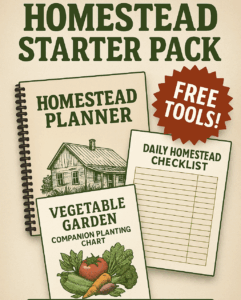
- ✅ Custom Planting Timeline by ZIP Code Never miss a planting window again—get a schedule tailored to your local frost dates.
- ✅ Seedling Checklist & Prep Guide Get your garden babies off to the best start with our printable, foolproof seed-starting guide.
- ✅ Compost & Fertilizer Calculator Mix it right the first time—use our tool to balance browns, greens, and amendments for thriving plants.
Leave a Reply