🪴 No Garden? No Problem. Here’s How to Grow Tomatoes in Pots Like a Pro
Ever wanted to grow your own tomatoes but felt like you didn’t have the space… or the budget?
Yeah, same.
When I first started learning how to grow tomatoes in pots, I didn’t have fancy raised beds or a huge homestead setup. I was working long shifts and chasing dreams on a tight budget. But I still wanted my family (especially my son) to taste homegrown tomatoes warm from the sun — the kind money just can’t buy.
So I made it work — and I’ve learned a few things I want to pass along. I’m not here to tell you how you should grow your tomatoes. I’ll just share what’s worked for me, and maybe it’ll help you too.
🪣 What I Use: 5-Gallon Pails and a Homemade Soil Mix
I grow indeterminate tomato varieties in cheap 5-gallon buckets. You can often grab them for free or cheap at hardware stores or bakeries. Just be sure you drill drainage holes in the bottom.
Here’s my secret soil mix:
50% compost + 50% shredded bark mulch (Just got a truckload of natural non-dyed material from the landscape supply.)
I mix that up myself — no store-bought potting soil — and I add a handful or two of organic fertilizer right into the mix. Something balanced like this one I use 👉 My Favorite Organic Tomato Fertilizer.
🌞 Location Is Everything
Tomatoes are sun lovers. I park my buckets in the sunniest part of the yard, or even line them up along the driveway. If your spot gets 6–8 hours of direct sunlight, you’re golden.
And the beauty of pots? You can move them if needed. Rain coming? I slide them under cover. Too much heat? I scoot them to afternoon shade.
🍅 Picking the Right Tomatoes for Pots
While a lot of people suggest compact or “determinate” types for container growing, I went a little rogue and planted indeterminate varieties. Why? I wanted continuous harvests — not one big flush.
Here’s what I’m growing this season:
- Sun Gold – sweet little cherry bombs
- Cherokee Purple – rich, meaty slicers
- San Marzano – perfect for sauce-making
These get big. But in the 5-gallon buckets, they’ve done surprisingly well — with a little support.
If you’re looking for smaller, bushier options, try:
- Tiny Tim
- Husky Cherry Red
- Patio Princess
I’ve written a whole post comparing tomato types if you’re curious 👉 Indeterminate vs Determinate Tomatoes
🌱 Planting Deep = Stronger Roots
I plant my tomatoes deep — burying them up to the first real set of leaves. Tomato stems grow roots wherever they touch soil, and this gives them a strong foundation.
I usually only plant one tomato per bucket. That way, they don’t fight over nutrients or water. I tried planting basil with them one year too — works great if your bucket is big enough. Just keep it near the edge.
💧 Watering Without Losing Your Mind
Here’s the thing about pots: they dry out fast. Like, real fast in the heat of summer.
I check mine daily. If the top inch is dry, I give it a deep soak. You want the water to run out the drainage holes. That tells you it reached the roots.
I mulch the top of the soil with straw or dried leaves to help hold moisture — and to keep dirt from splashing up onto the leaves.
🍽 Feeding the Hungry Beasts
Tomatoes are heavy feeders, especially in pots. All that watering? It leaches nutrients. So I feed them every couple weeks with liquid organic fertilizer (like nori, comfrey tea, or compost tea).
Here’s one I keep on hand: Liquid Organic Tomato Booster (affiliate link)
I also sprinkle in some worm castings mid-season — like a little power snack for the plants.
🪴 Support Is Not Optional
If you’re growing indeterminate types like me, you’ll need to give them some love and structure.
I use simple tomato cages, but I’ve also tied them to wooden stakes or even a garden trellis. The key is to start supporting them early.
Stay tuned — I’ll be posting a guide to pruning and training soon.
🐛 Pest Control the Organic Way
I don’t spray chemicals. Never have. Instead, I keep a close eye on my plants.
If I see aphids, I blast them with a hose or spray some diluted Castile soap.
If hornworms show up (and they will), I handpick them. My son loves hunting for them — turns it into a little adventure.
And I plant basil and marigolds near my buckets — not just for beauty, but because they help repel pests naturally.
👉 Want to see what these pests look like? Check out our Pest ID Gallery with photos of aphids, whiteflies, spider mites, and hornworms.
🌼 Companion Plants I Like Near My Tomato Buckets
- Basil – improves flavor and repels bugs
- Marigolds – keeps nematodes and aphids at bay
- Nasturtiums – trap crop for aphids
- Chives – repels mites and whiteflies
- Garlic – Slugs and Snails
If you’re container gardening, just pop these in their own small pots and cluster them around your tomato bucket garden.
🫛 Flip Into What Works for You
Look, I’m not saying you need to do everything the way I do. I’m just sharing what’s worked for me — on a budget, with limited time, and a deep desire to grow food that nourishes my family and teaches my son where his meals come from.
If you want to grow your tomatoes in a fancy cedar planter with perfectly blended potting soil — go for it. But if all you’ve got is a few buckets and a dream, don’t let that stop you. I started with just that, and I still do.
💬 Come Share What You’re Growing
Want to swap tomato-growing tips or get help ID’ing a weird spot on a leaf? We’ve got a growing community of gardeners who get it. No judgment, just encouragement.
🔗 Next Up
Want to learn more about pruning and training your tomato plants in containers? I’ll be posting a full step-by-step guide to sucker removal, single-stem training, and using twine soon. Keep an eye out, or sign up for updates.
Let me know if you want a version of this as a printable guide or want help setting up your own tomato pail garden! 🍅
Categories
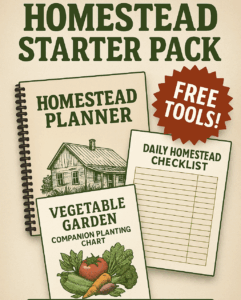
- ✅ Custom Planting Timeline by ZIP Code Never miss a planting window again—get a schedule tailored to your local frost dates.
- ✅ Seedling Checklist & Prep Guide Get your garden babies off to the best start with our printable, foolproof seed-starting guide.
- ✅ Compost & Fertilizer Calculator Mix it right the first time—use our tool to balance browns, greens, and amendments for thriving plants.